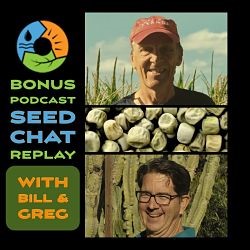
883: Seeding your way to Independence & Abundance

A Seed Chat with Bill McDorman. – In this months Seed Chat Greg Peterson and Bill McDorman, explore how saving seeds fosters independence, self-sufficiency, and better food production. They delve into the conversation that by saving seeds, gardeners can create a diverse and resilient plant community adapted to their local conditions. The conversation includes personal anecdotes, such as Greg’s successful basil seed saving, and highlights the benefits of community gardening and seed sharing. They underscore the importance of growing food locally to combat the decline in nutritional quality associated with industrial agriculture and long-distance food transport. The hosts also mention the Great American Seed Up initiative to encourage widespread seed saving and promote food security

Read More »

882: Creating Your Urban Farm – A Rosie Replay

In this episode of ‘Rosie on the House,’ hosted by Romey Romero, Farmer Greg is joined by Erin Erickson and her mother Elise Pitterle, who run a small urban farm in South Tempe called Tempe Garden Girls. Motivated by food scarcity during the COVID era, they expanded their gardening efforts into a full-fledged urban farm, growing various vegetables, flowers, and maintaining fruit trees and poultry. Greg & Romey chat about their journey, the challenges faced, and the learning process of adapting to Arizona’s unique climate. They also highlight the importance of community, educational outreach, and providing season-appropriate plant starts to help others succeed in urban farming. The episode underscores the critical role of local farmers in creating a sustainable and self-sufficient food system.

Read More »

881: Tom Spellman on Fruit Trees in Extreme Weather

Greg Peterson from Urban Farm Fruit Tree Program and Tom Spellman, a seasoned nursery expert with Dave Wilson Nursery, discuss the intricacies of managing fruit trees in a changing climate. They provide an educational overview of effective fruit tree planting and maintenance techniques. Key topics include the importance of proper planting mix, establishing adequate basins with woody mulch, painting trunks for heat protection, and using cover crops like cow peas and sweet potatoes to maintain soil health. They also emphasize supplemental irrigation during high heat periods, the significance of rootstocks, and managing wind stress with natural windbreaks. The session includes practical advice on insect management, the benefits of companion planting, and ensuring optimal nutrient supply tailored to tree growth stages. The wrap with announcing the launch of Tom’s new YouTube channel, ‘Growing with Tom Spellman,’ and a motivational note on personalizing one’s garden space.

Read More »

880: Rachel Opio on Farming, Healing Soil and Growing Communities

In this heartfelt interview, Rachel Opio shares her journey from a career in HR tech to becoming the founder of Little Lighthouse Farm, an urban farm in Phoenix. She discusses her background in data analytics, her mother’s inspiring legacy as an educator and gardener, and how her mother’s battle with cancer spurred her shift to farming. Rachel details the challenges of urban farming, the benefits of regenerative agriculture, and her commitment to providing nutrient-dense food to her community. She talks about the importance of accessibility, community engagement, and her future plans for expanding her farming efforts across Phoenix. Rachel also opens up about her recent struggles and successes with beekeeping and shares her love for educating children about gardening. Her story highlights the transformative power of connecting with the land and nurturing a sense of community

Read More »

879: Bevin Cohen on Herbs in Every Season.

Greg welcomes returning guest Bevin Cohen, an award-winning author and owner of Small House Farm, to discuss Bevin’s new book, ‘Herbs in Every Season.’ The conversation delves into Bevin’s holistic approach to herbs, focusing on their various uses throughout the year—from medicinal to culinary applications. Bevin shares behind-the-scenes stories about writing the book, choosing which herbs to feature, and the fun yet intense experience of photographing the herbs and recipes included. The episode touches on specific herbs and their seasonal roles, such as parsley in spring and sunflower in autumn, as well as the versatile nature of herbs like mint and oregano. Bevin also recalls vivid personal anecdotes, including a touching story about canning tomatoes with his grandmother. The episode concludes with practical advice for listeners to get out and grow something, highlighting the accessibility and benefits of herbs

Read More »

878: Matthew Geldin on Building Neighborhood Farms

Host Greg Peterson interviews Matthew Geldin, head farmer at Farmscape in Southern California, about creating sustainable neighborhood food systems. Farmscape is the largest urban farming company in California, specializing in food-focused landscaping for various scales including backyard gardens, commercial campuses, and multi-family communities. Matthew shares his journey from landscape architecture to urban farming, explaining the challenges and successes of integrating food production into urban spaces. He emphasizes the importance of community-supported farms and discusses their work on notable projects like Levi’s Stadium. Then he reflects on overcoming challenges such as urban tree root intrusion, the evolution of community farming, and the significance of designing spaces that are both productive and beautiful.

Read More »

876: Wicking Garden Beds with Ray Jess

In this episode we explore the concept of wicking bed gardens, hosted by Romey Romero & Farmer Greg, our guest is Ray Jess, a Master Gardener and hard goods manager of the Urban Farm Fruit Tree Program Store. Ray explains his journey from traditional gardening, which he has practiced since childhood in Central California, to discovering wicking beds during his Master Gardener training. He details the construction and benefits of wicking beds, which water plants from the bottom up, saving 40-50% of water, reducing nutrient loss, and requiring less frequent watering. Ray also describes the materials needed for building a wicking bed, and the principles behind its operation, including capillary action, evaporation, and condensation. The episode also touches on the suitability of different plants for wicking beds, the importance of garden bed orientation, and the process of succession planting.

Read More »

875: Building a Local Seed Economy with Bill McDorman

A Seed Chat with Bill McDorman. – In this episode, the focus is on the importance of building resilient local seed and food economies. They elaborate on the six stages of the food economy — growing, harvesting, distribution, preparation, eating, and disposal — and stress the need for these processes to be circular, emphasizing composting and waste reuse. They identify seven components essential for a flourishing local food economy, including farming methods, education, harvesting and distribution, creating farmers, value-added products, culture, and local seeds.

The conversation then shifts to the critical role of local seed economy and how everyone can participate by saving and sharing seeds. The benefits of seed saving, including the creation of surplus and unique, locally-adapted varieties, are highlighted. Joseph Lofthouse’s concept of landrace gardening and ‘Grex’ is introduced, emphasizing the joy and importance of growing plants adapted to local conditions. Stories of localizing food systems, the pitfalls of dependence on industrial agriculture, and the value of volunteer plants further enrich the discussion. Both Greg and Bill encourage listeners to embrace growing, saving seeds, and actively participating in their local food economies.

Read More »

874: High Yield Small Space Organic Gardening with Christy Wilhelmi

Returning guest Christy Wilhelmi discusses her new book, ‘High Yield Small Space Organic Gardening.’ Christy, founder of Garden Nerd, shares her expertise on small space, biointensive, and organic gardening techniques that allow her to generate up to 70% of her family’s produce from just 300 square feet.

Our conversation includes plant placement strategies, the importance of soil health, pest control, and various garden DIY projects. Additionally, Christie underscores the significance of testing soil quality and provides insights into the benefits of using a product called a tomato crib.

Read More »

873: Agrihoods with Sarah Rosenberger and Matthew Geldin

In This Podcast: We dive into what AgriHoods are and their transformative impact on communities. Hosts Sarah Rosenberger and Matthew Geldin from Farmscape discuss their roles and experiences with AgriHood projects. Sarah explains her background in urban farming and her journey through various community-based agricultural programs, while Matthew shares his expertise in vegetable gardening and farm maintenance.

We explore the concept of AgriHoods, which are communities centered around agricultural amenities like farms and gardens. Key benefits include providing access to nourishing food, encouraging outdoor activity, and fostering a sense of community. They highlight successful projects such as Rancho Mission Viejo and the challenges of implementing AgriHoods, emphasizing the importance of intentional design and adequate funding.

Read More »

Interested in the urban farm's story ?

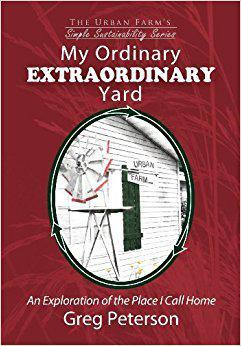
Learn The Urban Farm's Story! My Ordinary Extraordinary Yard will inspire YOU on your food growing journey to live your most healthy, abundant, and self-sufficient life.