
Episode 350 · May 8, 2018
350: Andrew Nowak on Garden to Cafeteria School Programs
Helping students have better access to healthier foods.
In this episode
Andrew is the former Director of the National School Garden Program for Slow Food USA where he was responsible for building capacity of nearly 150 Slow Food chapters to be partners in school garden projects. For 12 years he was the co-director of Slow Food Denver’s Seed-to-Table, School Food Program and developed protocols for Youth Farmers’ Markets and Garden to Cafeteria programs.
Our Guest

Don’t miss an episode!
Click here to sign up for podcast updates
Since 2009, Andrew has been the District Partner for Denver Public Schools and Jefferson County Schools helping to source local fruits, vegetables and meats for the cafeterias, to develop scratch cooking and salad bars in schools, and the development of school farms to grow organic vegetables for school kitchens.
After earning his PhD, an academic career was not going to work for him, so Andrew Nowak pivoted his passions and experience into improving the lives of his kids. This eventually led him to take on changing the protocols and processes of helping school cafeterias source food from school gardens and local farms. This broke ground for school districts around the country to implement new protocols themselves. This is a MUST listen for any parent wanting healthier food in their school’s cafeteria!
- His lifelong connection to food
- Getting a PhD in Psychology and Neuroscience
- Choosing to get involved in his kids’ school
- Teaching a 2nd grade class about beef stew and how that led to a school garden
- Becoming a part of SlowFoodUSA
- The difficulty of getting school garden foods into the school kitchens
- What was changing in 2010 that was tackling the food safety issues around school food
- Whittle the 80 pages of USDA Good Handling Practices and Good Agricultural Practices (GHP/GAP) protocols down to six pages
- Helping the Denver Public Schools develop protocols to get school garden produce into cafeterias (EPIC CALL OUT!!)
- Working with the Denver Health Department to expand those Protocols to every district in the county, then to the State Health Department
- Sharing the Denver Protocols to other districts around the country
- Getting a grant from the Whole Kids Foundation to develop a tool kit* for school districts to develop their own protocols for their own district.
- (*Note - at the time of this release, the toolkit link is almost, but not quite available. As soon as it is, we will add the link to these shownotes.)
- Other programs that Slow Food USA has been developing to connect kids and communities with healthy food
Producer's Note: A link to Stuart Jacobson's interview Here
- An experience where he was able to get local meats into a school district kitchen
- Suggestions on how to get local and school garden foods into the cafeteria
As well as
- His failure – Following the track towards an academic career and realizing it was no longer the path for him
- His success – The work accomplished by SlowFoodDenver to change the food culture in the two largest school districts in the State of Colorado
- His drive – Being a parent and wanting the best for them
- His advice – Do not go into this work as an Angry Person, go in as a Partner Parent
Andrew’s Book recommendations
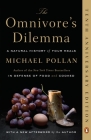
The Omnivore's Dilemma: A Natural History of Four Meals- by Michael Pollan
Producer's Note: Here is a version for our younger eaters

The Omnivore's Dilemma: Young Readers Edition by Michael Pollan and
How to reach Andrew
Website: slowfoodusa.org
Email: andrew@slowfoodusa.org
UrbanFarm.org/slowfoodusa
Don’t miss an episode! Click here to sign up for podcast updates
SIX New Seed Saving Classes
3 hours of seed education
to elevate your own gardening guru by learning to save seeds.
Seed Up Saturday - Saturday February 26th
Monthly Garden Chats
Join us for chats about gardening topics with Special Guests each month.
Live Q&A to assist with your questions
Sign up for the series!
*Disclosure:Some of the links in our podcast show notes and blog posts are affiliate links and if you go through them to make a purchase, we will earn a nominal commission at no cost to you. We offer links to items recommended by our podcast guests and guest writers as a service to our audience and these items are not selected because of the commission we receive from your purchases. We know the decision is yours, and whether you decide to buy something is completely up to you.
Garden consults
Have someone look at your actual garden
One to one, over phone or Zoom. Send photos of your yard and get a permaculture-based plan for what to plant, where, and when. No trip charge.
Book a consult


 with Greg, Janis or Ray