
984: From Vegetarian to Rancher.
Rebuilding Resilient Food Systems with Abey Rae Scaglione.
In This Podcast:
Abey Rae Scaglione has cultivated a deep understanding of the need for animals in our food system, layered upon her decades-long fascination with nutrition and self-sufficiency. After earning her degree in psychology, Abey worked as Pilates instructor in Los Angeles, eventually owning her own studio. Long interested in where our food comes from, it was in Northern California that she fell in love with growing vegetables and raising chickens. In 2021, Abey moved with her husband and two sons to Ruckle Heritage Farm on Salt Spring Island in British Columbia, Canada, where they raise sheep, cattle, turkeys and chickens. As a former vegetarian turned rancher, she has an incredibly intimate relationship with the complex realities of raising animals for food and the deep conviction that more can be done for animal welfare by supporting good farming practices, than by rejecting all animal agriculture.
Our Guest:
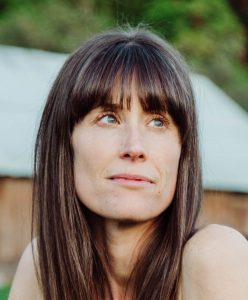 Abey Rae Scaglione has cultivated a deep understanding of the need for animals in our food system, layered upon her decades-long fascination with nutrition and self-sufficiency. After earning her degree in psychology, Abey worked as Pilates instructor in Los Angeles, eventually owning her own studio. Long interested in where our food comes from, it was in Northern California that she fell in love with growing vegetables and raising chickens. In 2021, Abey moved with her husband and two sons to Ruckle Heritage Farm on Salt Spring Island in British Columbia, Canada, where they raise sheep, cattle, turkeys and chickens. As a former vegetarian turned rancher, she has an incredibly intimate relationship with the complex realities of raising animals for food and the deep conviction that more can be done for animal welfare by supporting good farming practices, than by rejecting all animal agriculture.
Listen in….
Key Topics
- Abey Rae Scaglione
- Ruckle Heritage Farm
- Regenerative agriculture
- Local food systems
- Animal welfare in agriculture
- From vegetarianism to ranching
- Self-sufficiency and homesteading
- Raising sheep, cattle, turkeys, and chickens
- Nutrition and food sourcing
- Small-scale farming realities
- Salt Spring Island farming culture
- Food resilience and sustainability
- Ethical meat production
- Family farming
Key Questions Answered
Why did Abey Rae Scaglione transition from vegetarianism to ranching?
Abey’s evolving understanding of nutrition, ecology, and food systems led her to recognize the important role animals play in regenerative agriculture. Her firsthand experiences growing food and raising animals deepened her perspective on ethical animal stewardship and sustainable farming.
How did her background in psychology and wellness shape her approach to farming?
Her education in psychology and years as a Pilates instructor gave her insight into health, behavior, and holistic wellness. That foundation naturally expanded into curiosity about food quality, nutrition, and self-reliance.
What changed after moving to Salt Spring Island?
Relocating to British Columbia in 2021 allowed Abey and her family to fully immerse themselves in farming life at Ruckle Heritage Farm, where they now raise multiple livestock species and participate directly in building resilient local food systems.
What does Abey believe about animal welfare?
She believes meaningful improvements in animal welfare come from supporting responsible and regenerative farming practices rather than rejecting all forms of animal agriculture.
Why are resilient food systems important?
Localized and regenerative food systems can strengthen communities, improve soil health, reduce dependence on industrial agriculture, and create more transparency between consumers and producers.
Episode Highlights
- Abey shares the surprising path from vegetarianism to regenerative ranching.
- A discussion about why animals are essential to healthy agricultural ecosystems.
- The realities of raising livestock ethically on a family farm.
- Insights into reconnecting consumers with where food actually comes from.
- Reflections on moving from Los Angeles wellness culture to rural farm life.
- Why supporting small farms can directly improve animal welfare outcomes.
- The connection between nutrition, ecology, and resilient communities.
Resources
Abey’s Website — radicalfarmbook.com
Abey’s Book Recommendation – Milk Into Cheese, David Asher