
997: Rebuilding Local Food Systems Through Community Food Hubs
With Graham Duvall of Terramonga Food Hub
In This Podcast:
Graham Duvall shares his 15-year journey building resilient regional food systems in western North Carolina through Mother Earth Food and its evolution into Terramonga Hub. He explains how food hubs strengthen local agriculture by connecting farmers with consumers, creating reliable market access, and improving food security. The conversation explores the realities of entrepreneurship, the collapse and rebirth of a mission-driven business, and why resilient local food economies are essential for thriving communities. Graham also reflects on personal growth, mindfulness, and the importance of staying committed to meaningful work despite repeated setbacks.
Our Guest:
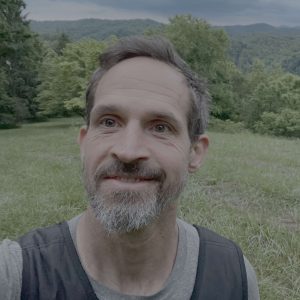 Graham is the co-founder of Mother Earth Foods and warehouse manager at Terramonga Hub in Asheville, North Carolina. He is a longtime advocate for resilient regional food systems, helping connect local farms, food artisans, and communities through innovative food distribution and aggregation networks. His work supports sustainable agriculture, strengthens western North Carolina local food economy, and expands access to fresh, responsibly produced food.
Listen in….
Key Topics
- Graham Duvall
- Terramonga Hub
- Mother Earth Food
- Regional food hubs
- Local food systems
- Food sovereignty
- Western North Carolina agriculture
- Farmers markets
- Community Supported Agriculture (CSA)
- Healthy Opportunities Pilot (HOP) Program
- Regenerative agriculture
- Local food distribution
- Daniel Quinn’s Ishmael
- Michael Pollan’s How to Change Your Mind
Key Questions Answered
What is a food hub?
A food hub is a flexible community-based organization that aggregates, stores, markets, and distributes products from local farms while creating dependable outlets for producers and increasing access to fresh local food.
Why are food hubs becoming increasingly important?
They help rebuild regional food resilience, support small farmers, shorten supply chains, strengthen local economies, and improve food security in an increasingly centralized food system.
Why do farmers need food hubs?
Many farmers can grow enough food but struggle to find reliable markets. Food hubs solve this by connecting producers with consumers, institutions, and community organizations.
Why is western North Carolina well suited for local food systems?
The region combines a rich agricultural history, strong farmers market culture, experienced growers, fertile farmland, and community support for local agriculture.
How does Terra Monga Hub serve customers?
Customers order online each week from a curated selection of seasonal produce, meats, dairy, artisan foods, and pantry items sourced primarily from local and regional farms and delivered directly to their homes.
What happened to Mother Earth Food?
After 14 years of operation and multiple financial challenges, Mother Earth Food closed and transitioned into Terra Monga Hub through a partnership with Terra Monga Farm, allowing the mission to continue under a new structure.
What lessons come from entrepreneurial failure?
Business setbacks can become opportunities when the mission remains intact. Adaptability, persistence, and strong partnerships often create the path forward.
How can individuals help transform the food system?
Start locally by growing food, supporting nearby farmers, shopping at farmers markets, and investing in community food systems where you live.
Episode Highlights
- Graham explains how food hubs create reliable market access for local farmers while strengthening community resilience.
- The evolution of Mother Earth Food into Terra Monga Hub demonstrates how mission-driven businesses can adapt after financial hardship.
- Western North Carolina’s farming heritage provides fertile ground for rebuilding regional food systems.
- Graham shares how the Healthy Opportunities Pilot Program delivered nutritious food to hundreds of food-insecure families.
- Entrepreneurship in local food requires resilience through repeated cycles of growth, contraction, and reinvention.
- Personal development, mindfulness, and intentional self-reflection helped Graham maintain clarity during difficult seasons.
- Both Graham and Greg discuss how Daniel Quinn’s Ishmael fundamentally changed their understanding of humanity’s relationship with food and nature.
- The conversation concludes with a reminder that meaningful change begins within our homes and local communities.
Resources
- Learn about Terramonga Hub — https://terramongahub.com
- Contact Graham Duvall — Graham@terramongahub.com
- Visit your local farmers market and support regional food producers.
- Start a home garden to reconnect with your food source.
- Read: Ishmael by Daniel Quinn
- Read: How to Change Your Mind by Michael Pollan