
989: Why Local Farms Matter with Beth Cole.
In This Podcast:
Beth Cole of Riverview Farms shares how local farms strengthen communities, preserve farmland, improve food security, and support healthier ecosystems. Drawing from her experience as a market gardener in Western North Carolina, Beth explains the value of Certified Naturally Grown certification, community-supported agriculture (CSA), farmers markets, and home gardening. She also reflects on lessons learned from Hurricane Helene, the challenges of starting a farm, and why growing food is one of the most important skills families can develop.
Our Guest:
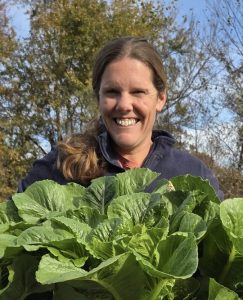 Beth Cole is a market gardener in Asheville, North Carolina. At their farm, they grow a variety of certified naturally grown veggies and cut flowers, are passionate about preserving farmland in the region and growing real food that nourishes the community.
Listen in….
Key Topics
- Beth Cole
- Riverview Farms
- Market gardening
- Asparagus production
- Certified Naturally Grown (CNG)
- Local food systems
- Community Supported Agriculture (CSA)
- Farmers markets
- Hurricane Helene recovery
- Soil health and floodplain farming
- Garden plant starts
- Dirt Craft Living Soils
- Food security and preparedness
- Growing food in Western North Carolina
Key Questions Answered
What is market gardening?
Market gardening is small-scale intensive food production focused on growing a diverse mix of vegetables and flowers for local markets, restaurants, and consumers. Riverview Farms grows on roughly two acres while maintaining additional acreage for wildlife habitat, hay production, and floodplain preservation.
How does asparagus grow?
Asparagus is a long-term perennial crop typically started from crowns. Growers wait several years before harvesting heavily, with full production often beginning around year five. Well-maintained asparagus beds can remain productive for 15 years or longer.
What is Certified Naturally Grown?
Certified Naturally Grown follows standards similar to organic certification but is designed for smaller farms. The program emphasizes sustainability, biodiversity, wildlife habitat, and farmland preservation while relying on peer-to-peer farm inspections rather than third-party auditors.
Why does buying from local farms matter?
Purchasing from local farms helps preserve farmland, protect watersheds, support pollinators, strengthen local economies, and provide farmers with a sustainable livelihood. Local food purchases keep money circulating within the community.
What is a CSA?
Community Supported Agriculture allows customers to purchase a subscription to a farm’s harvest. Members share both the risks and rewards of farming while providing farmers with critical early-season income.
What positive lessons came from Hurricane Helene?
Although the storm caused significant damage throughout the region, Beth observed that floodplain farmland acted as a natural sponge, reducing downstream impacts. In some areas, nutrient-rich sediments deposited by floodwaters improved soil quality and organic matter.
Why should gardeners buy plants locally?
Locally grown plant starts are better adapted to regional growing conditions and often outperform plants shipped long distances to big-box stores. Supporting local growers also strengthens the regional food economy.
Why do new gardeners struggle?
Gardening is a learned skill that requires time, observation, and experience. Success depends on understanding local conditions, improving soil health, and accepting mistakes as part of the learning process.
Why are farmers markets important?
Farmers markets provide the freshest possible produce, often harvested within 24 hours of sale. They create direct relationships between growers and consumers while supporting local agriculture.
What motivates Beth’s farming work?
Beth is driven by concerns about chronic disease, declining food quality, and the disconnect between people and real food. She believes locally grown produce can improve both individual and community health.
Episode Highlights
- Beth transitioned from humanitarian work and Montana grain farming into market gardening in North Carolina.
- Riverview Farms shifted from primarily asparagus production to diversified vegetable and flower production.
- Asparagus requires patience, often taking five years before reaching full harvest potential.
- Certified Naturally Grown certification strengthens farmer-to-farmer learning through peer inspections.
- Buying local food directly supports farmland preservation, pollinator habitat, and watershed protection.
- Hurricane Helene highlighted the important role farms play in absorbing floodwaters and protecting communities.
- Local plant starts provide gardeners with healthier, more resilient plants adapted to regional conditions.
- Farmers markets offer unmatched freshness while building relationships between farmers and consumers.
- Soil quality is one of the most important investments gardeners can make.
- Gardening success comes from persistence, observation, and continuous learning.
Calls to Action & Resources
- Certified Naturally Grown
- https://www.naturallygrown.org
- Riverview Farms NC
- Facebook: Riverview Farms NC
- Appalachian Sustainable Agriculture Project (ASAP)
- https://asapconnections.org
- Dirt Craft Living Soils
- https://dirtcraftorganics.com
Recommended Book
Grow Great Vegetables in North Carolina — A practical guide for understanding regional growing conditions, soil, weather patterns, and crop selection.