
Episode 1014 · October 30, 2026
1014: Metro Farming: How Small Farms Can Compete and Thrive with Michael Olson
In this episode
Returning guest Michael Olson, award-winning radio host, author of Metro Farm, and longtime advocate for local food systems, joins Greg Peterson to explore how small-scale urban and metropolitan farmers can grow food profitably without acquiring more land. Michael shares his Three Laws of the Food Chain, explains why local food gives consumers greater control, and reveals how farmers can compete with large agricultural operations through freshness, specialty crops, higher yields, and smart business strategies. He also reflects on his childhood growing up on a Montana farm, the power of reconnecting city dwellers with food production, and how storytelling can illuminate the conflicts shaping our food systems.
Our Guest: Michael Olson
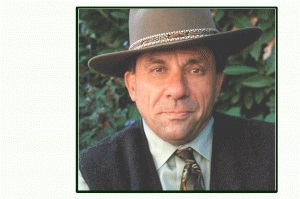
In this Episode Returning guest Michael Olson, award-winning radio host, author of Metro Farm, and longtime advocate for local food systems, joins Greg Peterson to explore how small-scale urban and metropolitan farmers can grow food profitably without acquiring more land. Michael shares his Three Laws of the Food Chain, explains why local food gives consumers greater control, and reveals how farmers can compete with large agricultural operations through freshness, specialty crops, higher yields, and smart business strategies. He also reflects on his childhood growing up on a Montana farm, the power of reconnecting city dwellers with food production, and how storytelling can illuminate the conflicts shaping our food systems.
Key Topics & Entities
- Michael Olson and Metro Farm
- Michael Olson's Three Laws of the Food Chain
- Urban farming and metropolitan agriculture
- Local food systems and food security
- Small-scale farming profitability
- Farm business strategy and market competition
- Intensive production on limited land
- Farmers of Forty Centuries by F. H. King
- Fresh, flavorful, and specialty crops
- Direct-to-consumer sales and farmers markets
- High-value flowers and specialty plant production
- Food production in cities and urban land use
- The Food Chain radio show and agricultural storytelling
- Childhood farm life and reconnecting people with food
Key Questions Answered
What are Michael Olson's Three Laws of the Food Chain?
First, agriculture is the foundation of civilization. Second, the farther food travels from its source, the less control consumers have over it. Third, cheap food isn't necessarily cheap when its broader health and social costs are considered. Together, these principles explain why Michael believes reconnecting people with food production matters.
How can a small urban farm compete with large agricultural operations?
Small farms can avoid competing directly on commodity prices and instead focus on what large operations struggle to provide: exceptional freshness, unique varieties, flavor, specialty products, and direct relationships with customers. The goal is to serve a market niche that larger producers cannot easily satisfy.
Can someone earn a living farming on a small piece of land?
Yes. Michael describes small farms that generate substantial income by maximizing productivity and selecting crops for specific markets. His examples include a nursery producing hundreds of thousands of cuttings in a compact space and flower growers who built a wedding-flower business around unusual varieties.
What is the difference between gardening and farming?
Michael describes gardening as an activity that enriches food, personal well-being, and one's connection with living things. Farming is a business that requires market awareness, long hours, competitive strategy, and careful decisions about how to earn a living from the land.
Why is Farmers of Forty Centuries relevant to modern urban agriculture?
F. H. King's book examined intensive agricultural systems in Asia that supported many people on small parcels of land while producing crops for sale. Michael draws on this example to show that high productivity per acre is not new and that small farms can succeed without expanding their acreage.
What business strategies help small farms increase profitability?
Michael outlines ten strategies for improving farm productivity and income. Examples discussed include increasing yield, improving product selection, growing distinctive varieties, and finding market opportunities that large-scale competitors cannot serve as effectively.
Why are freshness and flavor advantages for local farmers?
Small farmers can harvest crops close to the time of sale and deliver them directly to consumers or nearby chefs. Unlike large operations that must harvest and ship at scale, local growers can prioritize flavor, variety, and products tailored to their customers.
How can cities preserve agriculture while continuing to develop?
Michael sees a conflict between development pressures and the need to preserve productive urban land. Small farms, educational farm visits, community connections, and direct food sales can help cities retain meaningful relationships with agriculture while serving urban populations.
How did Michael Olson develop his radio show, The Food Chain?
Michael took over a traditional Saturday morning agriculture program and transformed it into a storytelling show about people and conflicts surrounding food. He renamed it The Food Chain after realizing that food connects with far more listeners than farming alone.
What role does conflict play in effective food-system storytelling?
Michael looks for competing interests, opposing perspectives, and unresolved questions that capture attention. Stories about small farmers facing development pressures or questions about how food markets operate help audiences understand the larger forces shaping agriculture.
Episode Highlights
- Michael Olson explains why agriculture is the foundation of civilization and why distance from food production reduces consumer control.
- He shares how growing potatoes in twelve 15-gallon nursery tubs produced 60 pounds of potatoes.
- Michael explains why Metro Farm focuses on business strategy, helping small farmers earn a living rather than simply grow food.
- Greg Peterson recalls harvesting produce from an 80-by-40-foot property and selling out at market by noon, earning $300–$400.
- Michael describes how a small nursery, specialty flower growers, and other farmers discovered profitable niches by serving needs larger competitors overlooked.
- He explains how small farms can increase productivity and income without increasing acreage.
- Michael recalls growing up on his grandparents' 320-acre Montana farm and discusses bringing that connection with food and agriculture back into cities.
- He shares how conflict, compelling characters, and storytelling transformed his radio program into The Food Chain.
Calls to Action & Resources
- Michael Olson's book, radio shows, and resources: MetroFarm.com
- Urban Farm Podcast episode show notes: UrbanFarm.org/MetroFarm
- Reference book: Farmers of Forty Centuries by F. H. King — a historical exploration of intensive agriculture and productivity on small parcels of land.
*Disclosure: Some of the links in our podcast show notes and blog posts are affiliate links and if you go through them to make a purchase, we will earn a nominal commission at no cost to you. We offer links to items recommended by our podcast guests and guest writers as a service to our audience and these items are not selected because of the commission we receive from your purchases. We know the decision is yours, and whether you decide to buy something is completely up to you.
Garden consults
Have someone look at your actual garden
One to one, over phone or Zoom. Send photos of your yard and get a permaculture-based plan for what to plant, where, and when. No trip charge.
Book a consult


 with Greg, Janis or Ray